
Projects
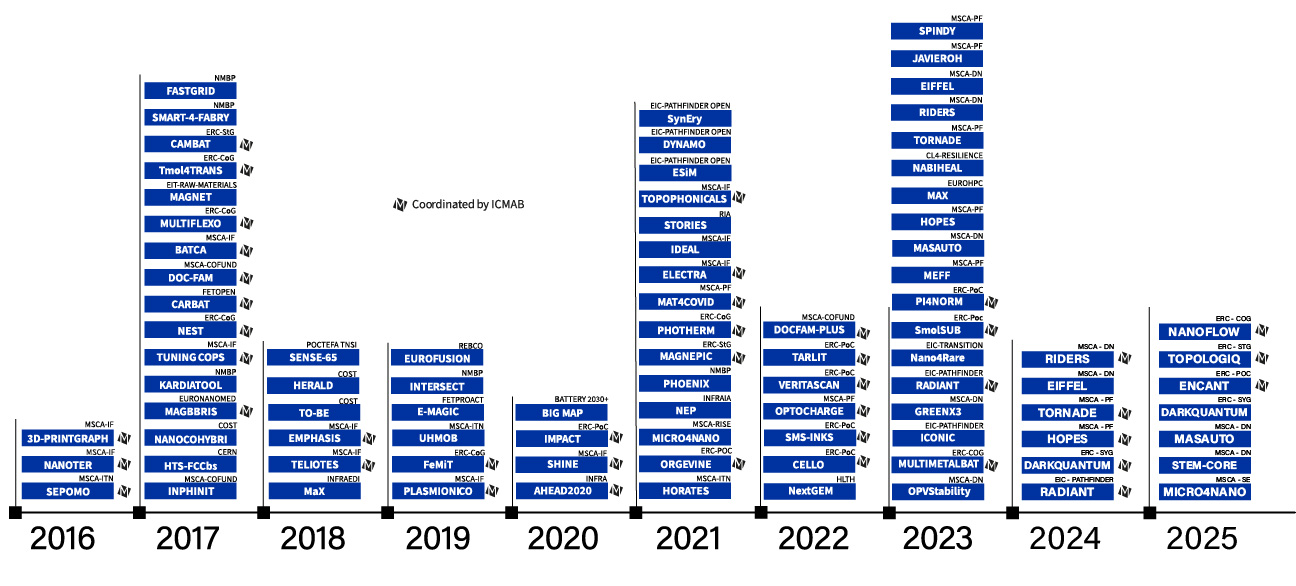
M4NRG Materials for energy
This research line addresses the urgent and multifaceted energy transition challenge, spanning clean energy generation, storage, and efficient use. With a strong focus on sustainability and the full mine-to-market value chain, and aims at delivering tailored solutions for diverse applications rather than one-size-fits-all technologies. Together, these challenges form a comprehensive and forward-looking strategy toward a sustainable energy future. Research includes developing light harvesting with earth-abundant materials for next-generation photovoltaics, and innovative solutions for heat management and conversion into electricity. It advances low-cost, sustainable electrochemical energy storage systems, including batteries and supercapacitors. We also design efficient (photo)catalysts for green fuel production, such as hydrogen and CO₂-based fuels. In addition, we explore high-temperature superconductors for applications in energy transmission, fusion, and transport, combining fundamental research with scalable fabrication and advanced characterization techniques.
The materials for energy (M4NRG) research line comprises 31 permanent researchers, along with emerging junior leaders including Valeria Blanco (awarded the BBVA Leonardo Grant in 2025). In 2025, researchers produced 97 scientific publications, 56% of which were led as corresponding authors and 78% of which involved international collaborations. These outputs include publications in prestigious journals such as Nature Materials, Energy & Environmental Science, Advanced Materials, and Advanced Functional Materials, reflecting the highly innovative profile of ICMAB researchers.
Significant progress has been achieved in many areas. In electrochemical energy storage, operando synchrotron studies have clarified key mechanistic limitations in Zn–MnO₂ systems and uncovered lithiation pathways in sustainable SiO₂-based anodes, providing actionable strategies to improve capacity and reversibility. In thermal management, advances in understanding anisotropic phonon transport in layered materials have revealed how dimensionality and temperature govern heat flow. In parallel, pioneering work has demonstrated dynamic, light-induced control of thermal conductivity through reversible phase transitions. Complementary developments in photonic materials have enabled the scalable fabrication of chiral nanostructures that impart strong circularly polarized emission across a wide range of emitters. Furthermore, a breakthrough in superconducting materials synthesis via transient liquid-assisted growth (TLAG) has established a high-throughput, industrially relevant route for producing high-performance coated conductors with unprecedented speed and control. Collectively, these achievements highlight the strong integration of advanced characterization, theoretical modeling, and scalable fabrication approaches, delivering both fundamental insights and practical pathways toward next-generation energy technologies.
The leading role of M4NRG researchers is demonstrated by multiple indicators of excellence. Notably, seven members were recognized in the 2025 edition of the Stanford Citation Ranking, placing them among the top 2% most influential scientists worldwide. Their prominence is further reflected in their participation in high-level evaluation panels and expert groups, including Prof. Palacín’s involvement in the ERC Advanced Grant (PE5) evaluation panel and Prof. Campoy-Quiles’ membership in the M-ERA.NET 3 Strategic Expert Group (SEG). In addition, M4NRG researchers contribute actively to several international and national Scientific Advisory Boards. Prof. Palacín serves on advisory boards for the Karlsruhe Institute of Technology (KIT), the Post-Lithium Storage Cluster of Excellence (Germany), and CIC energiGUNE (Spain). Prof. Puig is a member of advisory bodies at IFW Dresden, IEE SAS (Slovakia), the European Society of Applied Superconductivity (ESAS), and the IEEE Council on Superconductivity (IEEE-CSC).
Significant efforts have also been devoted to knowledge transfer, resulting in the signing of eight NDAs and one MTA. In 2025, three patents were filed, and two patents (WO2023031494A1 and WO2024231190A1) related to thermal characterization equipment were licensed to LINSEIS, a German company with a global presence specializing in scientific instrumentation. Additionally, three R&D contracts and seven technological support contracts were signed with industry partners.
Article Highlights
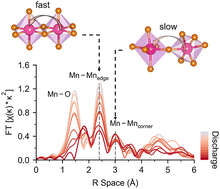
Cheng Liu, Vlad Martin-Diaconescu, Ashley Phillip Black, Siavash Khabazian, Bernat Mundet, Krzysztof Matlak, Lorenzo Stievano, Andrea Sorrentino, Laura Simonelli and Dino Tonti
Energy Environ. Sci., 2025, 18, 9611-9622
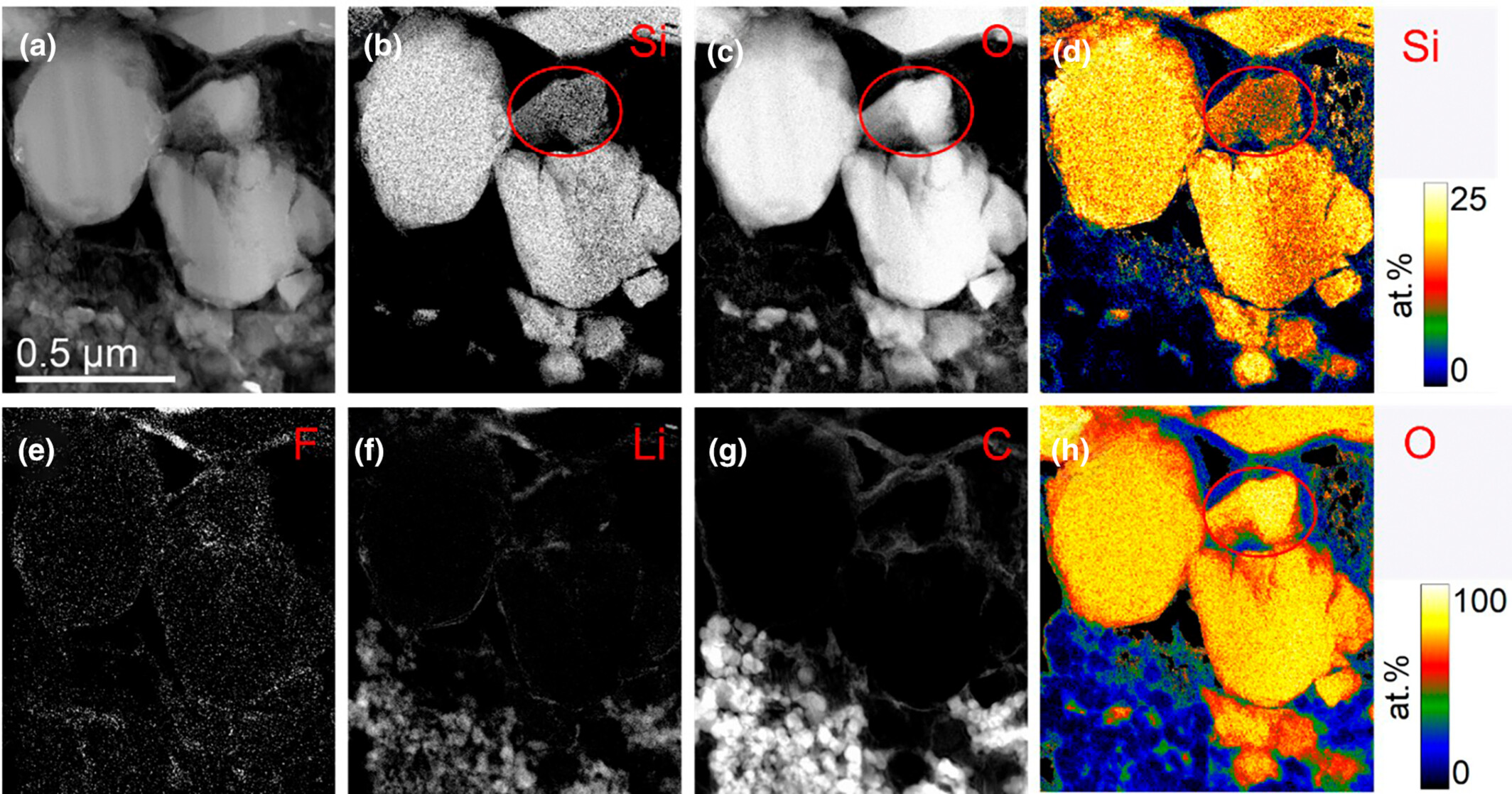
Weicheng Hua, Per Erik Vullum, Kristianne Nilsen-Nygaard Hjelseng, Johan Hamonnet, Pedro Alonso-Sánchez, Jiefang Zhu, Zoltan Hegedüs, Juan Rubio Zuazo, Federico Cova, Ann Mari Svensson, Maria Valeria Blanco
Energy Environ. Mater., 8: e70074

Kai Xu, Stefania Skorda, Peng Xiao, Emerson Coy, Xavier Cartoixà, Riccardo Rurali, Juan Sebastián Reparaz* and Alexandros El Sachat*
Nano Lett. 2025, 25, 44, 16006–16012
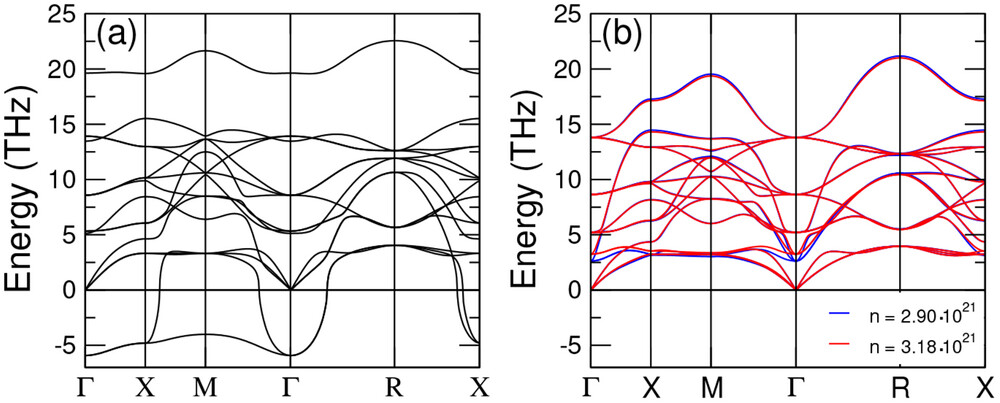
Claudio Cazorla, Carlos Escorihuela-Sayalero, Jesús Carrete, Jorge Íñiguez-González, Riccardo Rurali
Adv. Funct. Mater.35, no. 48 (2025): e2425424
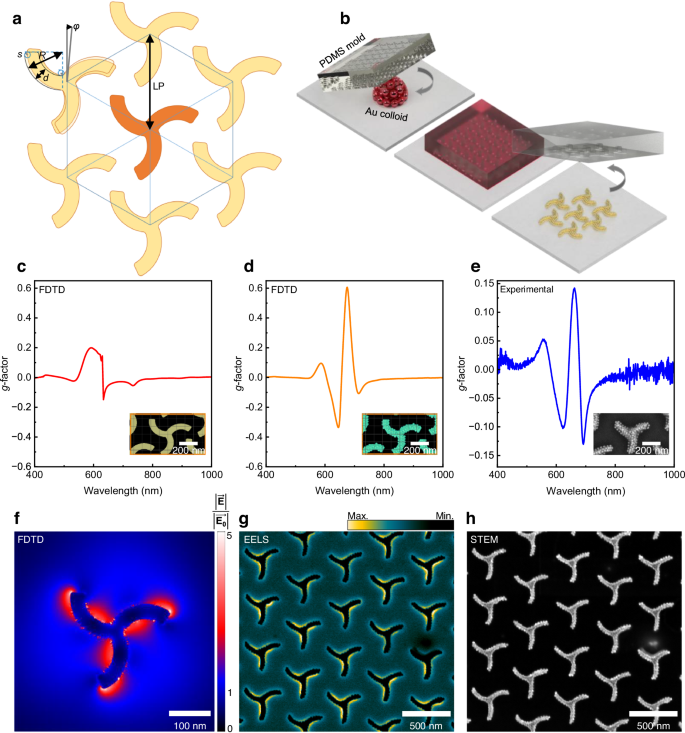
Xiaoyu Qi, Luis Alberto Pérez, Jose Mendoza-Carreño, Miquel Garriga, Maria Isabel Alonso & Agustín Mihi
Nat Commun 16, 1687 (2025)
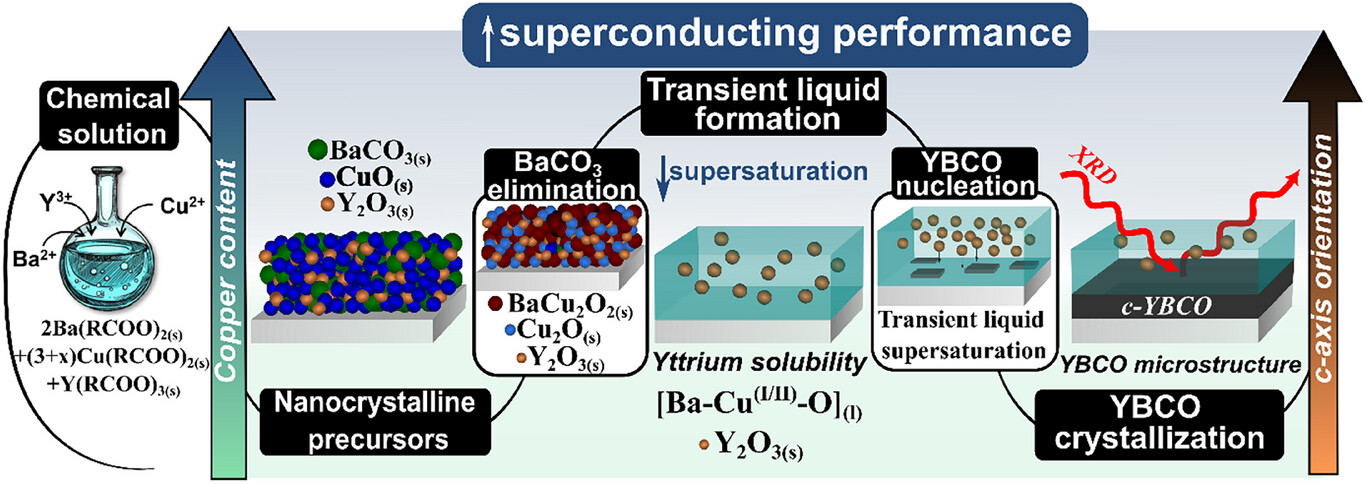
Lavinia Saltarelli, Diana García, Laia Soler, Elzbieta Pach, Kapil Gupta, Daniel Sanchez-Rodriguez, Jordi Aguilar, Víctor Fuentes, Eduardo Solano, Cristian Mocuta, Jordi Farjas, Xavier Obradors, Teresa Puig
Adv. Mater. (2025): e10660
Line Highlights
- Two funded projects for ICMAB in the 2024 Public–Private Collaboration (CPP) Call FOTOPINVER with Mariano Campoy‑Quiles and David Amabilino led by Solaris Vita, which focuses on the development and upscaling of organic photovoltaic modules embedded in low‑density polyethylene for greenhouse integration. Meanwhile, EXCELION led by Zelestium Technologies involves Ángel Pérez del Pino and aims at creating multifunctional electrodes based on laser-modified carbon xerogels for metal‑ion batteries.
- RADIANT project led by Dr. Agustín Mihi funded under the EIC Pathfinder Challenge 2023 call aiming at the production of high-performing and cost-efficient chiral LEDs (light-emitting diodes) that harness the optical properties of scalable chiral metasurfaces, operating seamlessly across the visible to near-infrared spectrum.
- CSIC JAE Chair award for the DOMMINO project, conducted in collaboration with Prof. Jenny Nelson (Imperial College London, UK) and coordinated by Mariano Campoy-Quiles. The project aims to elucidate the relationship between electronic and thermal transport, while advancing novel photovoltaic and thermoelectric applications.
M4ELC Materials for electronics
During 2025, significant progress has been achieved in organic and oxide electronic devices, providing fundamental insights and demonstrating the potential of these materials for future emerging technologies. Some of the results achieved are:
- A carborane-based metal–organic framework (MOF) platform has been developed, encompassing magnetocaloric–luminescent materials and a Gd-based 512-level quMOF designed for quantum computing. In addition, stable organic radicals have been explored as spin-based qubits, exploiting their long coherence times and chemical tunability.
- We demonstrated sub 200 nm maskless laser writing for continuous and reversible, non destructive tuning of superconductivity in cuprate films via oxygen stoichiometry control.
- High-temperature magnetic spirals in layered perovskites have been demonstrated, and a second class of spiral ordering has been identified, opening new avenues for robust multiferroic and magnetoelectric functionalities.
- Ultralow magnetic damping in ferromagnetic oxide layers with enhanced spin transparency through growth, strain, and interfacial engineering has been achieved.
- Micro to nanoscale magnetic metasurfaces integrated in magnetoresistive sensors have been achieved, enabling programmable magnetic responses and up to two orders of magnitude sensitivity enhancement.
- We demonstrated that AlOx co‑sputtering enables room-temperature tuning of the magnetic compensation in terbium iron garnet while inducing a large intrinsic exchange bias due to disorder near compensation, establishing a new pathway to exchange‑biased magnetic insulators for spintronic applications.
- From a theoretical perspective, we have focused on the treatment of coupled dynamics of spins and phonons in magnetic insulators, of direct relevance to ultrafast pump-probe spectroscopy. We have also been studying the optical rotatory power of chiral crystals and molecules, and made significant progress in the understanding of both electronic and vibrational contributions to the effect.
- Ferroelectricity in doped HfO₂ is usually limited to films under 10 nm, but Y-doped layers hundreds of nanometers thick can still show high polarization. Epitaxial studies rule out the effect of defects and confirm yttrium as a highly effective dopant for stabilizing the ferroelectric phase of hafnia.
- Organic field-effect transistors were demonstrated as promising radiation detectors (X-ray and NIR) and as biosensor transducers. Further, organic semiconductor films were thoroughly characterized by bimodal AFM for accurate imaging of grain orientation.
In addition to the scientific advances, significant efforts have been devoted to technology transfer. Several proof-of-concept projects have been granted, including the development of a sublimation setup and a new biosensing technology based on organic transistors. Furthermore, contacts with companies have been established, resulting in an important contract.
In terms of infrastructure, we are currently developing a new nonlinear optical spectroscopy laboratory. We are also actively involved in the InCaEM infrastructure, with a particular focus on the development of advanced scanning probe microscopy techniques.
Article Highlights
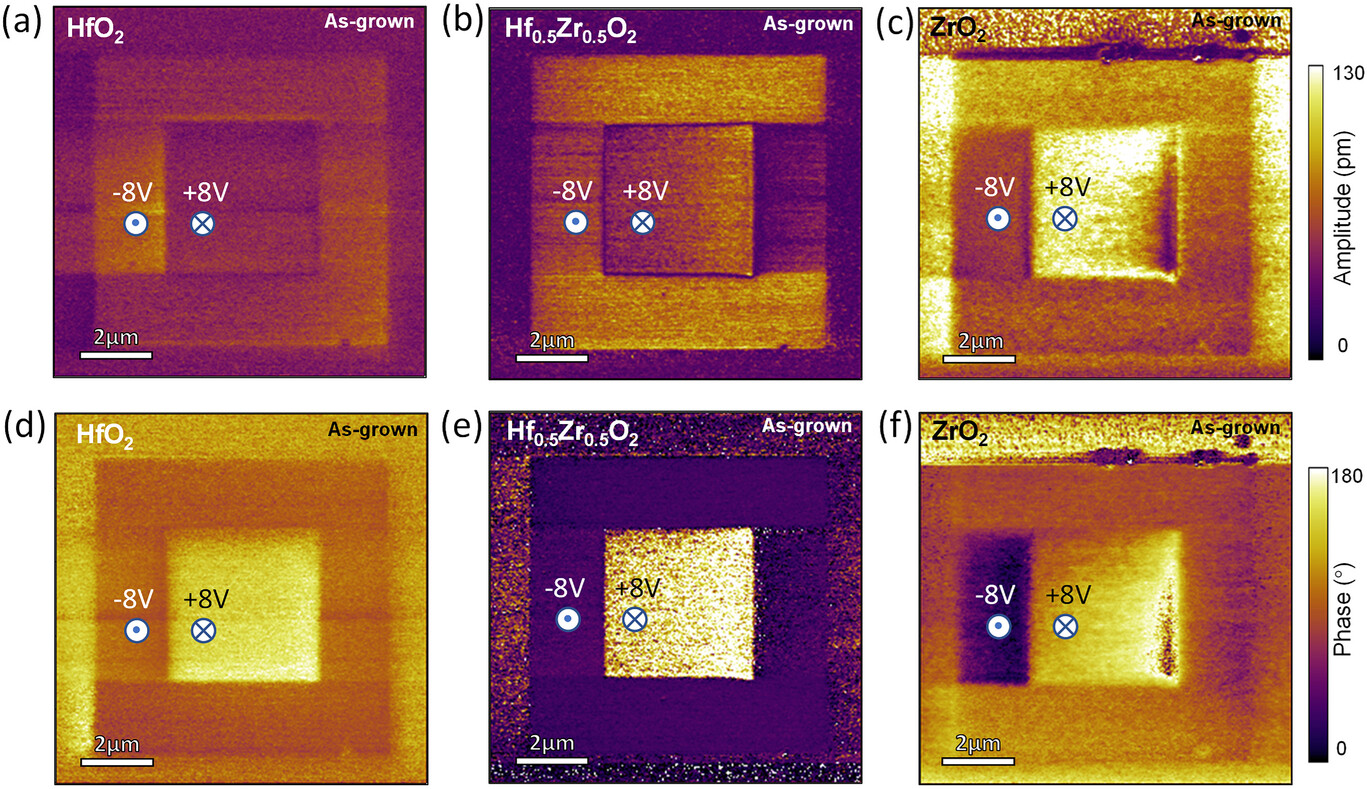
Xueliang Lyu, Jingye Zou, Faizan Ali, Ignasi Fina, Florencio Sánchez
Small21, no. 38 (2025): e06334

Aleix Barrera, Emile Fourneau*, Natanael Bort-Soldevila, Jaume Cunill-Subiranas, Nuria Del-Valle, Nicolas Lejeune, Michal Staňo, Alevtina Smekhova, Narcis Mestres, Lluis Balcells, Carles Navau, Vojtěch Uhlíř, Simon J. Bending, Sergio Valencia, Alejandro V. Silhanek* and Anna Palau*
ACS Nano 2025, 19, 10, 10461–10475

Naureen Khanam, Zheng Ma, Sergi Ortiz Ropero, Nico Dix, Ana Vila Costa, Judit Oró-Solé, José Luis García-Muñoz, Jordi Faraudo and Martí Gich*
J. Am. Chem. Soc. 2025, 147, 37, 33403–33412
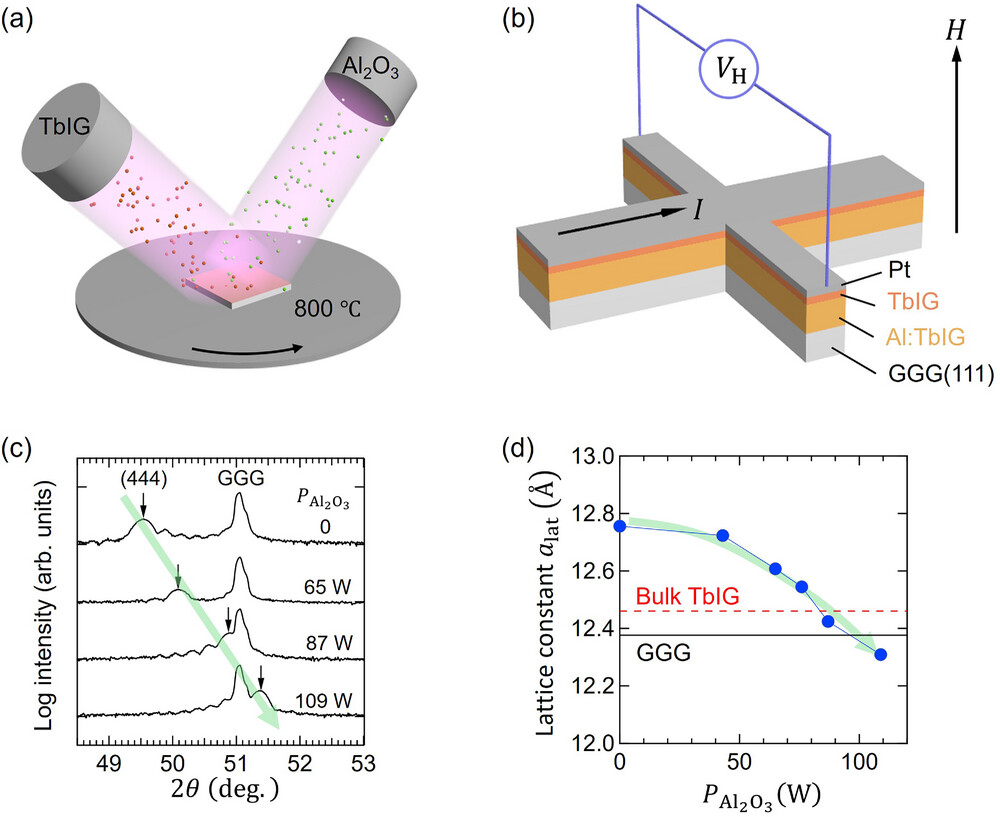
Takayuki Shiino, Matteo Fettizio, Saúl Estandía, Can Onur Avci
Adv. Mater.38, no. 2 (2026): e10669
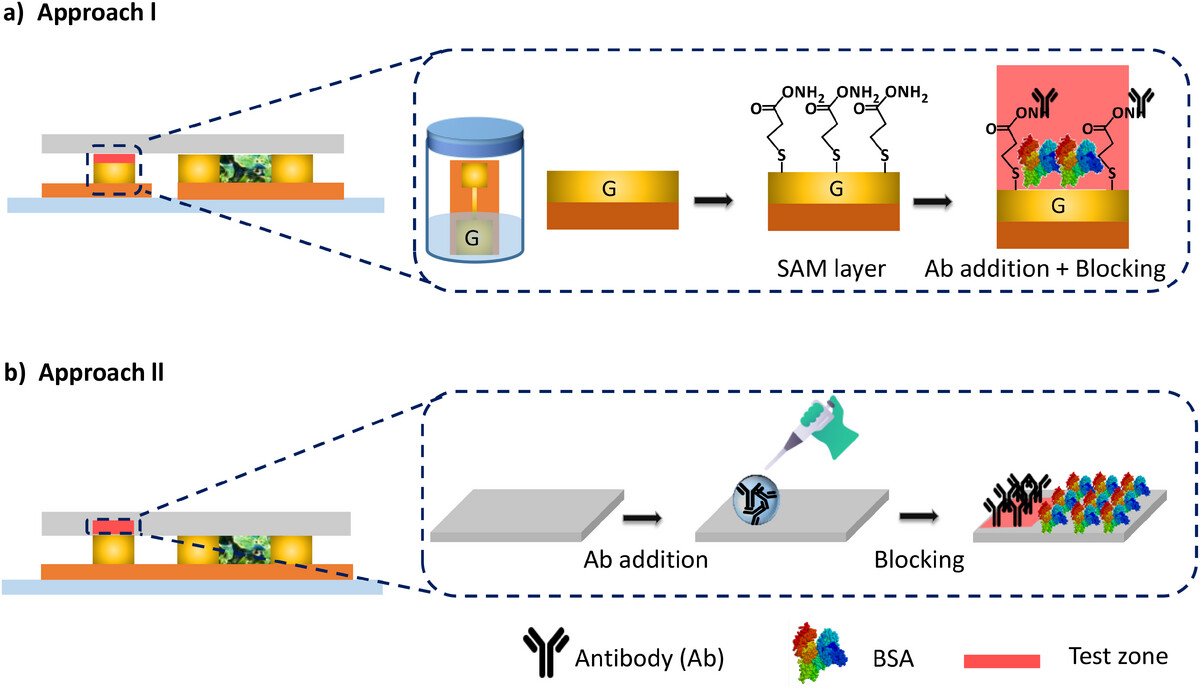
María Jesús Ortiz-Aguayo, Carme Martínez-Domingo, Diego Gutiérrez, Dean Kos, Marta Mas-Torrent
Adv. Mater. (2025): e13468

Rodrigo Arilla, Esther Barrena, Carmen Ocal and Daniel Martin-Jimenez*
Nano Lett. 2025, 25, 9, 3597–3604
Line Highlights
- Gabriele de Luca was awarded with an ERC Starting Grant. Project Title: TOPOLOGIQ – Tuning Oxide Pyrochlores: Optimizing Lattices for Observable GeneratIon of Quantum Magnetoelectric Phenomena.
- The International Year of Quantum Science and Technology, has driven an intense outreach agenda with the Quantum Exhibition at the entrance to the ICMAB and participation in the UAB-Quantum Days and radio programs by several ICMAB researchers. These initiatives brought advances in spintronics, molecular qubits, and superconductivity closer to the public, strengthening the social impact of the quantum revolution.
- The Ferroelectric oxides for energy and memory devices (FOXEM) group develops a research contract funded by a word-leading semiconductors company.
M4HTH Materials for health
Over 2025, the researchers in this research line joined forces to address the global challenges identified in the MATRANS42 project, specifically engineering interfaces for infection prevention and developing soft materials to battle cancer. The joint work crystallized in promising preliminary data, coming from shared PreDoc researchers among the different research groups.
Additionally, the scientific knowledge and technological development of the research groups, through the design, synthesis, and processing of novel materials of interest, have been advanced and solidified through multiple publications and collaborations. Those materials are being applied in several areas to improve the diagnosis and treatment of diseases.
To overcome some facility limitations in the ICMAB environment, this year we reached a milestone: we doubled the space available for bio-related activities within the center. The M4health researchers have a technical service with two LSB2-certified laboratories: one at the ICMAB, equipped to perform cell culture, and another at ICN2, where we can access to perform bacterial and cell culture work. Additionally, we increased the technical personnel in the service.
- Dr. Muling Zeng and Dr. Judit Morlà won tenure-track contracts as Ramon y Cajal researchers, increasing the senior personnel in the research line. The current critical mass comprises 10 contracted doctor researchers and PhD students, an increase of 36% compared to previous years.
- The research results were published in 44 publications, 80% of them led by an ICMAB researcher, and 65% had international collaborators.
- Jordi Faraudo was co-author in a work published in the journal Science, Excision of organic macrocycles from covalent organic frameworks (doi 10.1126/science.adw4126), where the Nobel prize awardee in Chemistry 2025, Omar M. Yaghi from the University of California, Berkeley, is also a co-author. Additionally, the publication in a prestigious journal, Nature Methods ( doi: s41592-024-02543-9 ), co-authored by Horacio V. Guzman selected for the accuracy in blind predictions based on 3D structures of RNA sequences.
- Researchers have been active in achieving international funding from agencies at the regional, national, and European levels, acting as partners or leaders of the proposals with a large success.
- The technology translation effort has been tremendous within the research line. The researchers have submitted three new patent applications and signed two material transfer agreements and 12 non-disclosure agreements, indicating their efforts to establish real interaction with industry. Researchers also secured four new, highly competitive translation projects: EBTON (Gerard Tobias-Rosell), Llavor- AGAUR (Anna Roig), CaixaImpulse (Anna Roig), and LaMaratóTV3 (Juan Pellico).
- We highlight the successful outcomes and finalization of a clinical trial led by Anna Roig, in the Barraquer Institute, to use cellulose in ophthalmology, and a compassionate use treatment was conducted in patients with diabetic foot ulcers, with positive results in the healing of complex wounds, led by Nora Ventosa and Elisabeth González. The data from the studies are being drafted and will serve as the foundation for the next translation steps.
Article Highlights
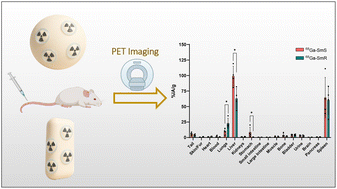
Jan Grzelak, Martí Gich, Rafael T. M. de Rosales, Anna Roig and Juan Pellico*
Dalton Trans., 2025,54, 15710-15716

Raquel Gimeno-Muñoz, Raúl Díaz-Torres, Silvia Gómez-Coca, Olivier Roubeau, José Manuel Díaz-Cruz, Núria Aliaga-Alcalde* and Arántzazu González-Campo*
ACS Appl. Mater. Interfaces 2025, 17, 13, 20383–20393

Marc Domingo, Horacio V. Guzman, Matej Kanduč aND Jordi Faraudo*
J. Chem. Inf. Model. 2025, 65, 1, 240–251
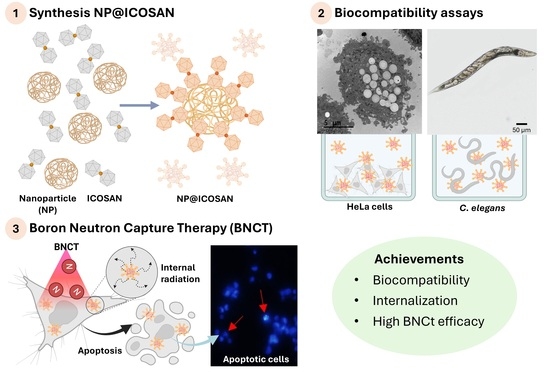
Albert Ferrer-Ugalde, Amanda Muñoz-Juan, Anna Laromaine, Paula Curotto, Susana Nievas, María Alejandra Dagrosa, Marcos Couto* and Rosario Núñez*
Pharmaceuticals 2025, 18(4), 466

Miquel Castellote-Borrell, Marc Domingo, Francesca Merlina, Huixia Lu, Salut Colell, Mireia Bachiller, Manel Juan, Sonia Guedan, Jordi Faraudo* and Judith Guasch*
ACS Appl. Mater. Interfaces 2025, 17, 11, 16548–16560

Yufei Wu, Vega Lloveras, Silvia Lope-Piedrafita, Marta Mulero-Acevedo, Ana Paula Candiota, José Vidal-Gancedo
Acta Biomater. 2025 Jan 15;192:461-472
Line Highlights
- We want to congratulate the researchers and highlight the success of achieving prestigious ERC projects, an ERC Consolidator grant of Juan Pellico, called In vivo imaging of blood flow dynamics and cell migration in tumor microvasculature via real-time single nanoparticle tracking with positrons – NanoFLOW and the third ERC -Proof of Concept of Gerard Tobias- Rosell, Gold Radiosensitizers for Advanced Proton Therapy, GRAPE. At the same time, we want to acknowledge and thank the Strategic Project Unit for its efforts, support, and initiative in advising researchers to succeed.
- The research line organized workshops to foster collaborations internally and across the local scientific community in different disciplines, with varied events including the BIOMED 2025: Workshop on Experimental Techniques for Biomedicine – 22 October 2025, sponsored by Conexión Nanomedicina CSIC and ICMAB, and the Bi(o)lateral Day initiative, celebrating the successful first event on 6th of March 2025 between ICMAB and IMB-CNM.